PRE-DEPARTURE / PRACTICAL CHECKLIST
Mountain driving can place sustained demands on tires, brakes, cooling systems and the driver. Preparation starts with routine maintenance and a vehicle that is appropriate for the planned roads. This guide is a reminder, not a replacement for the handbook or a professional inspection.
Start with the route and the handbook
Check the vehicle manufacturer’s guidance for inspection intervals, approved fluids, tire pressures, load limits and operation in steep terrain. Consider passenger numbers, luggage, roof loads and any equipment fitted to the vehicle. Keep the total load within the stated limits and secure items so they cannot move during braking or cornering.
If the route includes restrictions, narrow roads or permitted rough tracks, check vehicle dimensions and capability against those conditions. Four-wheel drive does not make an oversized, overloaded or poorly maintained vehicle suitable for every route.
Tires, wheels and spare
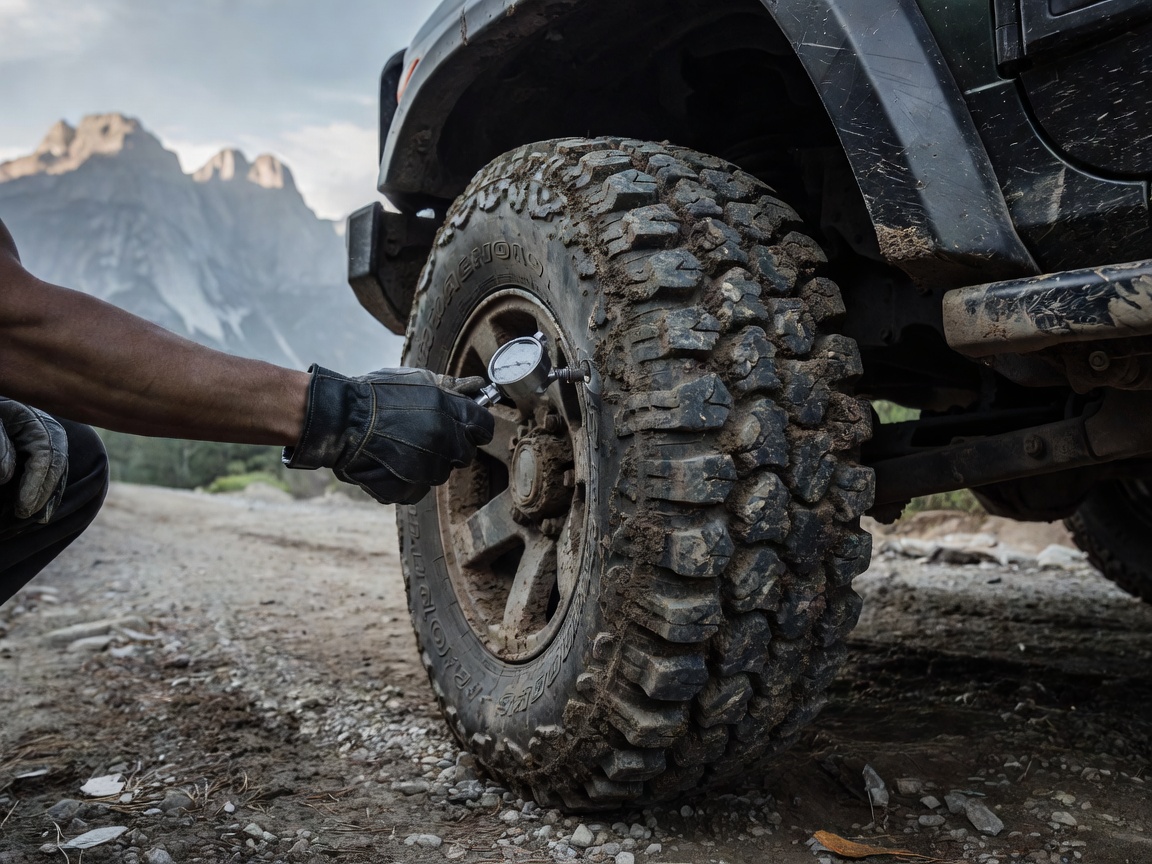
Inspect tire condition, tread, visible damage and pressure when the tires are cold, following the vehicle guidance. Check that the tires are suitable for the expected road and season. Inspect the spare, if fitted, and make sure any locking wheel-nut key and required tools are present. Know whether the vehicle’s tire repair equipment is in date and appropriate for its tires.
Do not use a damaged tire or improvise repairs beyond the equipment instructions. If you are uncertain about condition, pressure, tire choice or a warning indicator, ask a qualified tire professional.
Brakes, fluids and cooling
Pay attention to brake feel, warning lights, unusual noise and changes in performance. Check service history and fluid levels in accordance with the handbook. A long descent can place significant demands on a braking system. Any concern about brakes, leaks, overheating or engine performance should be assessed by a qualified mechanic before travel.
Check that the cooling system is in sound condition and that the vehicle has been maintained for the expected ambient temperatures and load. Never open a hot pressurized cooling system. Follow the manufacturer’s instructions and seek professional advice where needed.
Battery, lights and visibility
Check the battery condition and that terminals appear secure. Test exterior lights, indicators, brake lights and the horn. Clean windows, mirrors, lenses and number plates. Confirm that wipers work properly and that washer fluid is suitable for expected temperatures. Carry required warning equipment according to local law.
Load, documents and useful equipment
Secure luggage and keep heavy items low where practical. Avoid obstructing the driver’s view or access to emergency equipment. Carry vehicle documents, insurance details, roadside assistance information and any permits required for the journey. Useful supplies may include a first-aid kit, warm layers, water, a charged phone and power source, and a warning triangle where required. Choose equipment for the actual route and local rules; do not carry recovery gear you are not trained to use.
After a journey
When parked safely, look for visible damage, unusual smells, warning lights or new noises. Remove mud and debris where it could affect operation, and arrange an inspection if something seems wrong. Do not crawl beneath an unsupported vehicle or attempt a roadside repair in an unsafe location.
Pre-departure checklist
- Review the handbook, service status and route-specific vehicle requirements.
- Check tires, spare, lights, windows, wipers and visible warning indicators.
- Confirm brakes, fluids and cooling system are in good condition; seek professional help if unsure.
- Keep passengers and cargo within vehicle limits and secure all loose items.
- Carry relevant documents, emergency supplies and appropriate communication options.
Good preparation does not make a difficult road safe by itself. If the vehicle has a safety concern, postpone the trip and have it checked before departure.